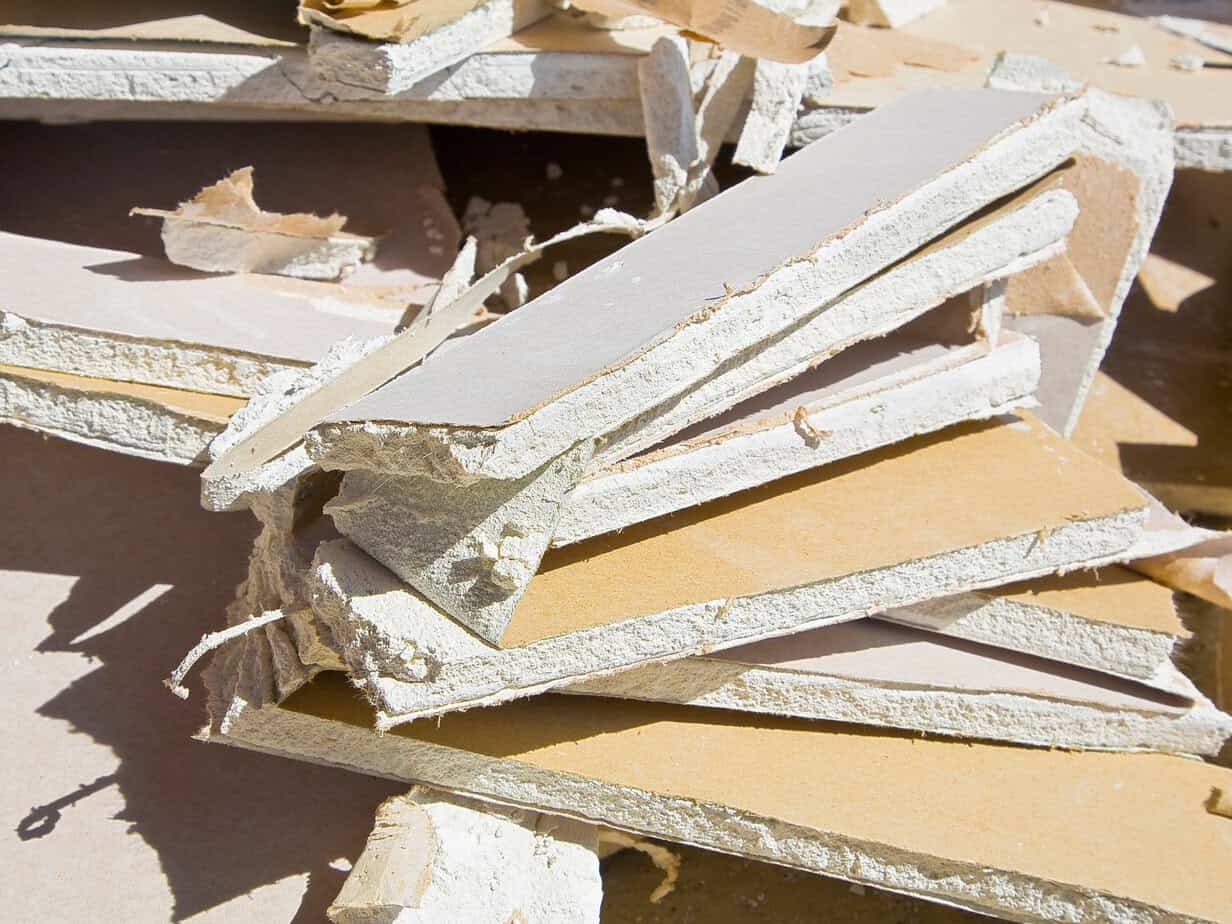
As of 1 January 2026, a landfill ban for gypsum will apply in Austria. The aim of this regulation is to promote high-quality recycling of this resource, thereby creating a solid foundation for a circular economy in the construction sector.
Whether in drywall construction, screeds or as modelling material in the medical field, gypsum is a versatile material with a history spanning thousands of years. Its physical properties, such as heat resistance, sound absorption and fireproofing, make it a highly sought-after all-rounder. However, the raw material source is becoming scarcer: so-called FGD gypsum from coal-fired power plants is only available in limited quantities due to the European coal phase-out. Natural gypsum is increasingly considered critically because of limited primary resources. To ensure long-term supply, recycling as a secondary raw material is becoming increasingly important.
New legal framework
Since 1 January 2025, the Recycled Gypsum Ordinance has been in force, mandating the separate collection of plasterboards, fibre-reinforced plasterboards and calcium sulphate screed. Its aim is to enable hight-quality recycling for the gypsum plasterboard industry. Additionally, as of 1 January 2026, a nationwide landfill ban for these fractions will come into force. The ordinance specifies the conditions under which recycled gypsum is granted “end-of-waste” status and is considered as a recycled product. Similarly, the Ministry of Finance’s Masterplan Raw Materials 2030 emphasises the importance of mineral construction materials for a resilient supply. It calls for greater circular use as well as legal recognition of suitable recycled materials. Gypsum is considered a showcase material: it is up to 100% recyclable and therefore ideally suited for a sustainable construction industry.
Austria’s first gypsum recycling plant
Around 100,000 tonnes of gypsum waste are produced in Austria alone annually. A key component for establishing a functioning circular economy is therefore the technical infrastructure for high-quality recycling. This has now been achieved with Austria’s first gypsum-to-gypsum recycling plant. It began operation in October 2025 in Stockerau and is expected to process around 60,000 tonnes of gypsum waste from new construction, renovation and demolition each year. This generates secondary gypsum, which is used to produce new plasterboards – up to 40% of the recycled material can be processed to the required quality.
Trade digitally, benefit sustainably
Legal requirements such as the landfill ban for gypsum starting in 2026 and the Recycling Gypsum Ordinance provide the foundation for a functioning circular economy in the construction sector. They create clear framework conditions for the collection, processing and reuse of mineral construction materials. For these requirements to be implemented in practice, a powerful digital infrastructure is essential. Since July 2024, materials with “end-of-waste” status can also be traded on or digital marketplace for secondary raw materials. This creates new opportunities for efficient, transparent trading of secondary raw materials and strengthens a circular construction industry.
Further information: New features on our digital marketplace – SECONTRADE Blog